A useful starting point: You do not need to know the perfect service name or prepare a formal scope. A few notes about the property and the work you want to discuss can help make the first conversation more specific. Use only the suggestions that apply; they are not requirements or a promise of an estimate.
Start with the town and property type
Name the town or nearby area and describe the property: for example, a large residential property, an HOA or condominium community, commercial grounds, or a property-management site. The service-area overview lists Florence, Stevensville, Victor, Corvallis, Hamilton and Darby, Montana. If you are unsure whether the property is within the current service area, ask when you reach out.
Describe the areas that need attention
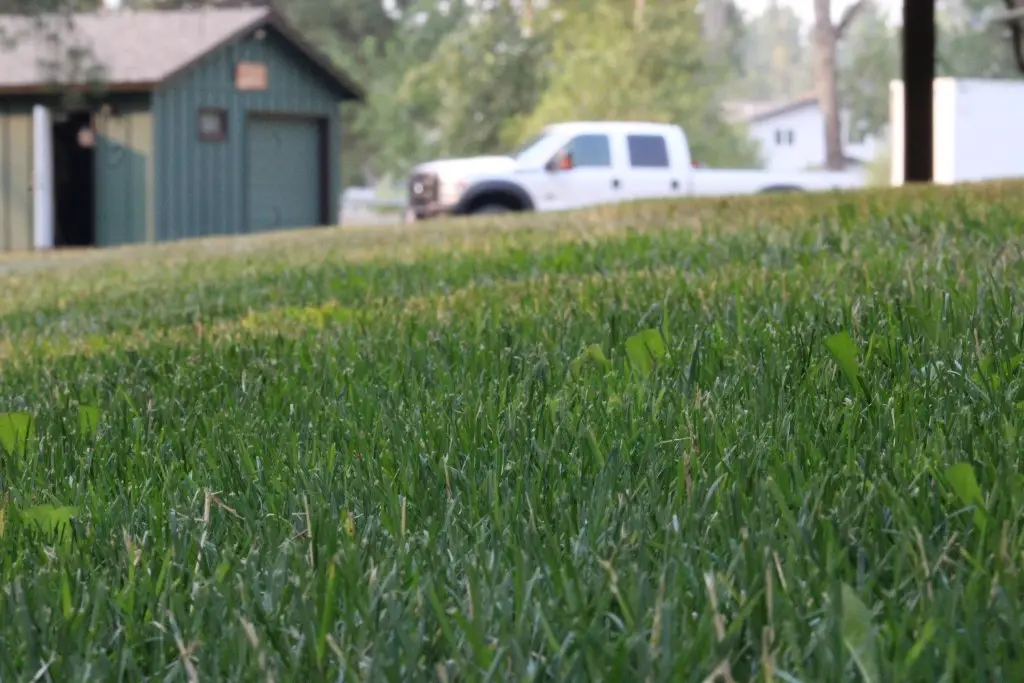
Point out the parts of the grounds you want to discuss, such as lawn, landscape beds, shrubs or small trees, seasonal debris, or the hard surfaces around the lawn. For a shared property, it may help to distinguish common areas from individual spaces. You can also note what is already covered by another provider or what should be left out of the conversation.
Explain your goals and concerns
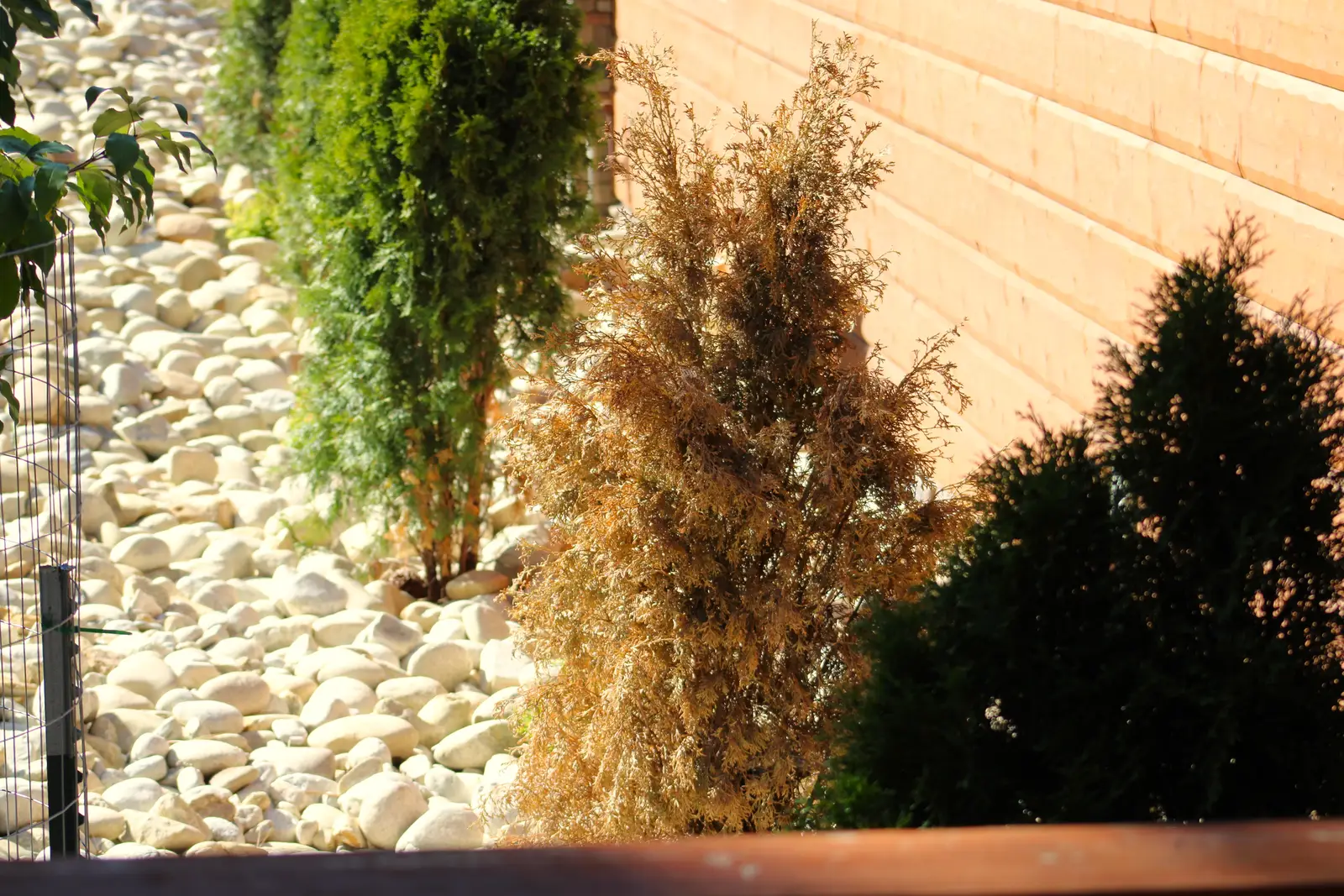
Describe the result you would like and any issues you have noticed. That could mean keeping grounds consistently maintained, refreshing beds or planting, or discussing a specific pruning need. Mention concerns such as weeds, plant condition, irrigation or access around walkways if they are relevant; treat them as discussion points, not assumptions about what a service will include.
Separate recurring care from one-time work
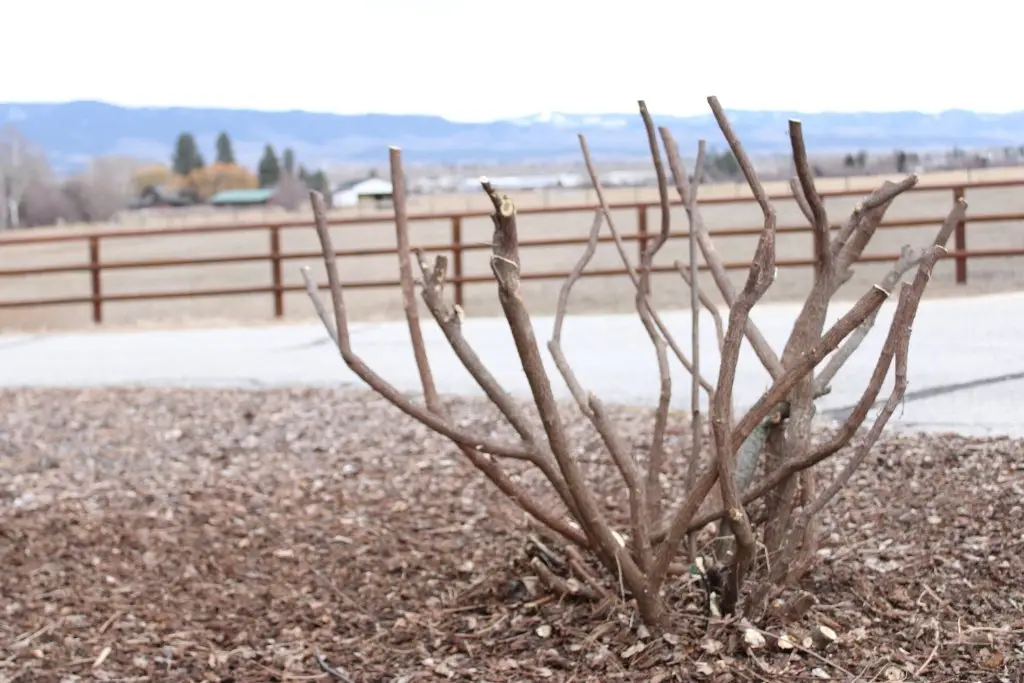
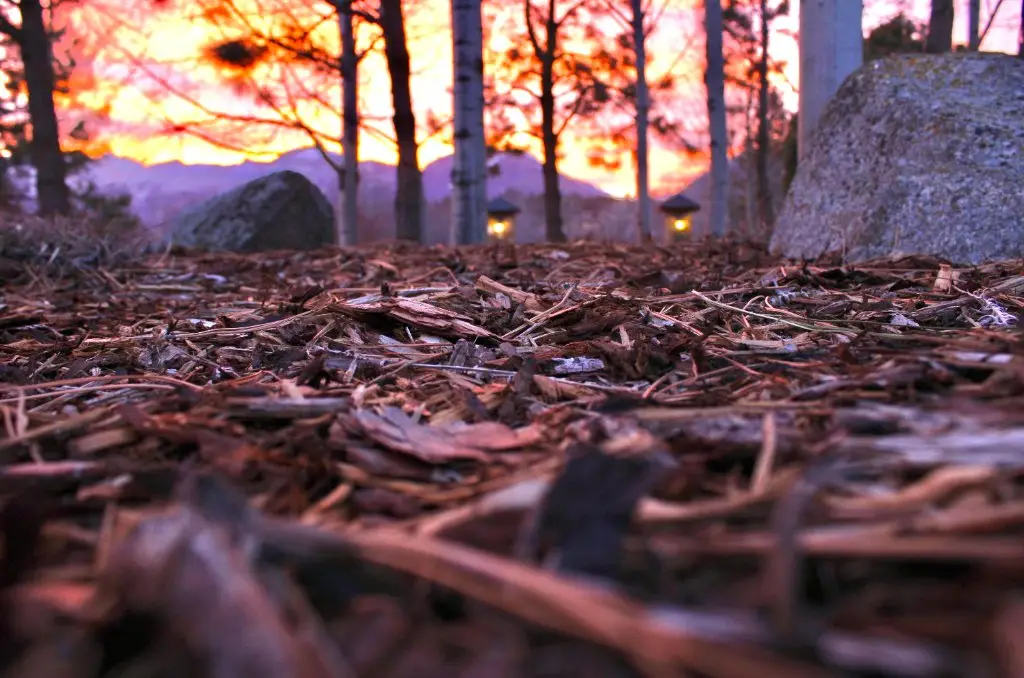
Say whether you are exploring regular maintenance, a defined enhancement, dormant pruning, or a combination you want to discuss. Montana Landscape Maintenance describes core maintenance as recurring seasonal care and lists bed creation, planting and mulching as enhancements. Dormant pruning has its own seasonal service details. The existing service pages explain those options without requiring you to choose one before you call.
Share access details and desired timing
If useful, note gates, parking, entry points, areas that need coordination, or other site-access considerations. Include a preferred start window or dates that matter to you, and whether your timing is flexible. These details help frame the conversation; they do not establish availability or a response-time commitment.
Keep photos handy if you have them
A current photo can help explain a particular bed, tree or access point during a conversation. The estimate request uses an externally hosted form, and its attachment options have not been verified. Do not assume that form accepts uploads; if you want to share photos, ask how they prefer to review them.
Choose a contact person
For a managed property or HOA, identify who can describe the grounds and coordinate follow-up questions. Have that person's role and preferred contact method ready for the conversation. This is a practical suggestion, not a special submission requirement.
Optional estimate-request checklist
Optional prompts only. Use the details that apply to your property.
You can use just a few of these prompts. When you are ready, use the site's existing estimate request or call; the team can clarify what information is useful for your property.