Start with the need: Is the property asking for consistent attention across the season, a defined change to its landscape, or structural pruning at a particular time of year? Those are different kinds of work. Naming the need first can make a conversation about a large residential property, HOA or commercial landscape more useful.
Ongoing care or a defined change?
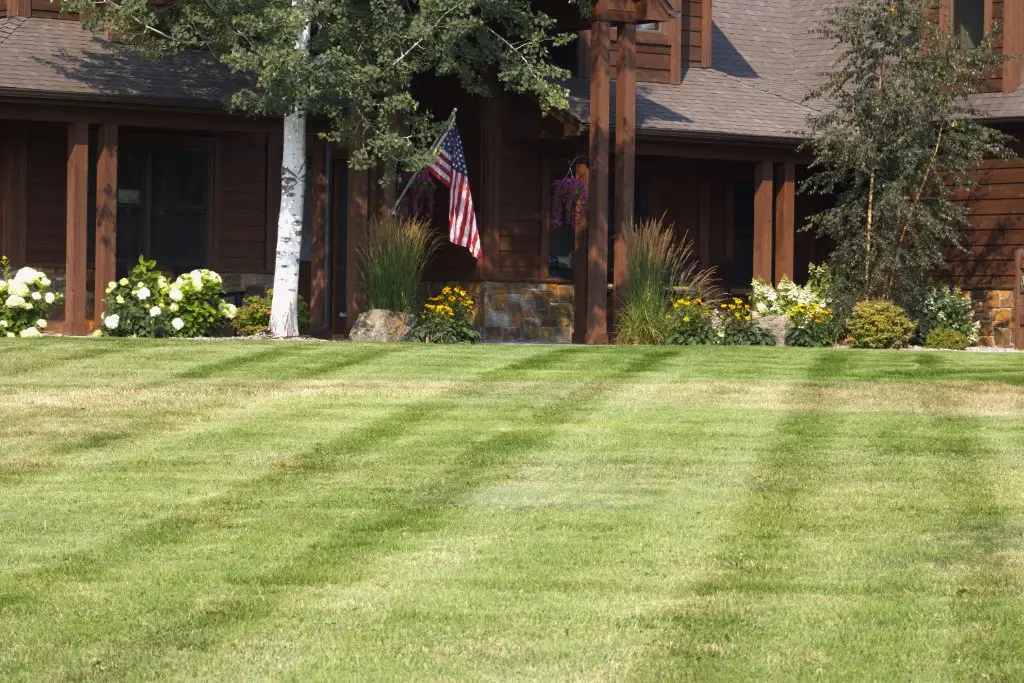
Core maintenance is the ongoing-care option. The existing service description covers weekly lawn maintenance, bed maintenance, seasonal clean-ups and pruning. The detail matters: lawn visits include mowing, trimming and blowing hard surfaces; bed maintenance addresses weeds and sucker growth; clean-ups clear leaves and branches and cut back perennials; and seasonal pruning handles ornamental shrubs and small trees as needed.
A landscape enhancement is a defined change rather than a substitute name for routine maintenance. The listed work is landscape bed creation, planting and mulching. These services can help address a specific area or change you want to make; the exact scope belongs in a discussion about your site, not in an assumed package.
See landscape enhancement services
A simple way to choose
- If the recurring need is to keep lawns, beds and the rest of the grounds cared for through the season, start with core maintenance.
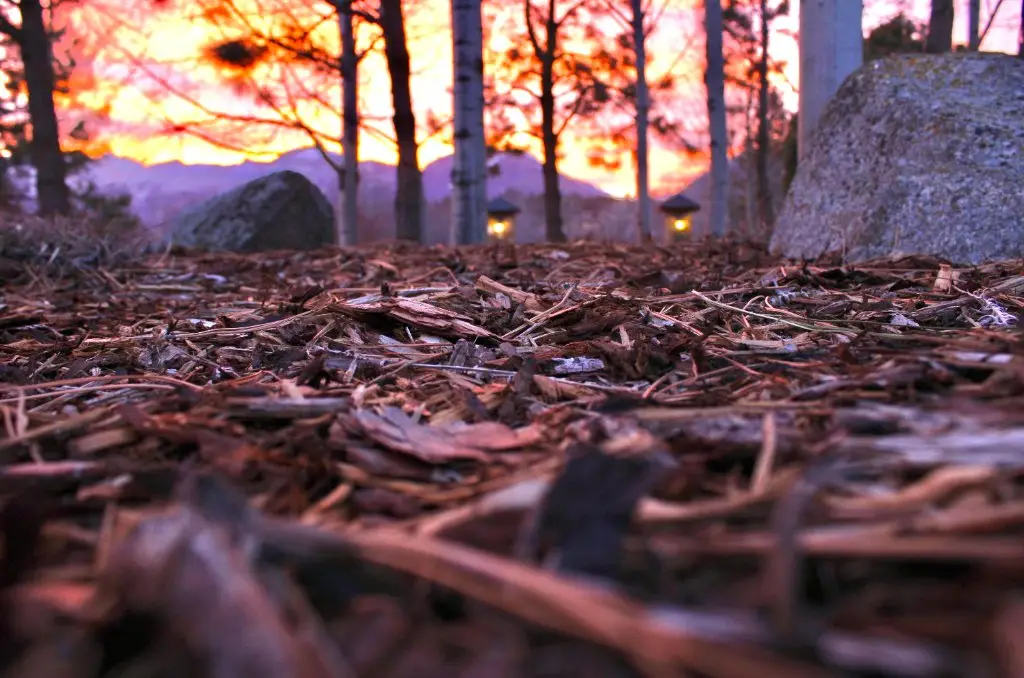
- If the main goal is to create a bed, add planting or refresh an existing bed with mulch, explore landscape enhancements.
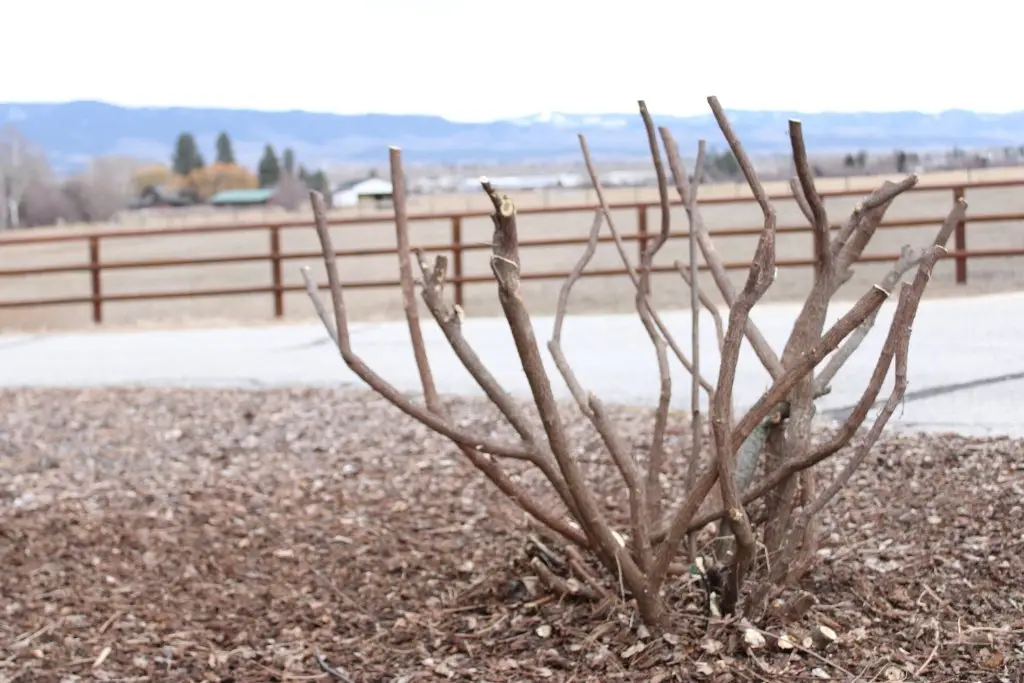
- If the concern is the structure of deciduous shrubs or small trees while they are leafless, ask about dormant pruning and its seasonal timing.
Hypothetical property situations
Hypothetical example — large residence: A property owner wants the lawn and beds cared for on an ongoing basis, and also has one bare area where they would like a new bed. Core maintenance addresses the recurring-care question; bed creation or planting is a separate enhancement question. The owner can ask about both without assuming they are sold as one package.
Hypothetical example — HOA grounds: A board wants reliable seasonal care across shared lawns and beds, while residents have also asked whether a particular entrance could use new plantings. The first need points toward ongoing maintenance; the second is a defined enhancement to discuss separately, with the property and intended scope in view.
Hypothetical example — established shrubs: A manager notices dense, crossing or dead branches inside deciduous shrubs during winter. Regular seasonal pruning and dormant structural pruning are not interchangeable; the plant, timing and purpose help determine which conversation is relevant.
When both ongoing care and an enhancement may fit
A property can need ongoing care and a defined improvement at the same time. For example, a maintained landscape may still have a bed that needs to be created or planted. Treat these as separate questions: what recurring care is needed, and what specific change is being considered? A request for an estimate can describe both, without presuming a combined service, schedule or price.
How dormant pruning differs from seasonal pruning
Core maintenance lists pruning of ornamental shrubs and small trees as needed through the season, including cutbacks for safe conditions and appearance. Dormant pruning is a more specific structural service for deciduous plants during dormancy. Montana Landscape Maintenance describes its dormant-pruning season as December through mid-March; the work focuses on dead, diseased, damaged, deformed or crossing branches while the plants are leafless.
Dormant pruning is therefore not simply another name for routine shaping during a seasonal visit. It has its own timing and structural purpose. Plant type and condition matter, so use the service page and the full pruning guide rather than assuming every shrub or tree should be cut the same way.
Explore dormant pruning and its timing
Read the full dormant-pruning guidance
Questions to bring to an estimate conversation
- Which parts of the property need recurring attention, and which are a specific project?
- For a proposed enhancement, what area and result should the conversation focus on?
- For pruning, which plants are involved, what do you observe, and when did you notice it?
- If planting is being considered, ask whether a warranty line item applies and review its exact coverage, exclusions, duration and activation terms.
For planting questions, rely on the project quote and the complete published warranty terms. This guide does not add or change those terms.
Read the full MLM plant warranty terms
Montana Landscape Maintenance serves large residential properties, HOAs and commercial grounds in the Bitterroot Valley. If you are unsure which service best describes the work, call or use the existing estimate request action to explain what you are seeing and what you hope to change.