The Big Idea: Your shrubs may look fine today, but years of repeated shearing or overgrowth can gradually create a dense outer wall of growth that starves the interior of sunlight.
Someone who is looking to drive higher profit for their commercial outfit by improving their landscape needs to understand that visual appeal to a consumer matters — and studies show well-managed landscapes push 10-15% higher retail spending than ones that lack color, shrubs, trees, and focal points. Anyone looking to simply improve an office space can add to each employee's day by adding aromatic plants such as lavender, or shrubs bursting with color such as Japanese Spirea.
For those with residential landscapes, a clean landscape may offer a sign of relief at the end of a long day, knowing that the landscape has a proper maintenance plan in place.
On either side, the importance of a well-maintained landscape is evident in the facts: putting your business in a better financial position, showing customer and employee appreciation by offering a welcoming store or office, and offering peace of mind knowing you're proud of the landscape at one of your largest assets — your home.
Serving as a best management practice to produce these results, ongoing care to the plants on your landscape is paramount through proper pruning in the spring and summer, but equally as important, dormant pruning in the winter.
What Happens to Shrubs as They Age
Most property managers have a great plan when it comes to keeping the plants in their landscape looking great. Most look something like the following:
- Call a landscape professional
- A landscape professional comes out to hedge or shape the landscape's shrubs and trees
- The next year comes, more growth on plants, then repeat steps 1 and 2
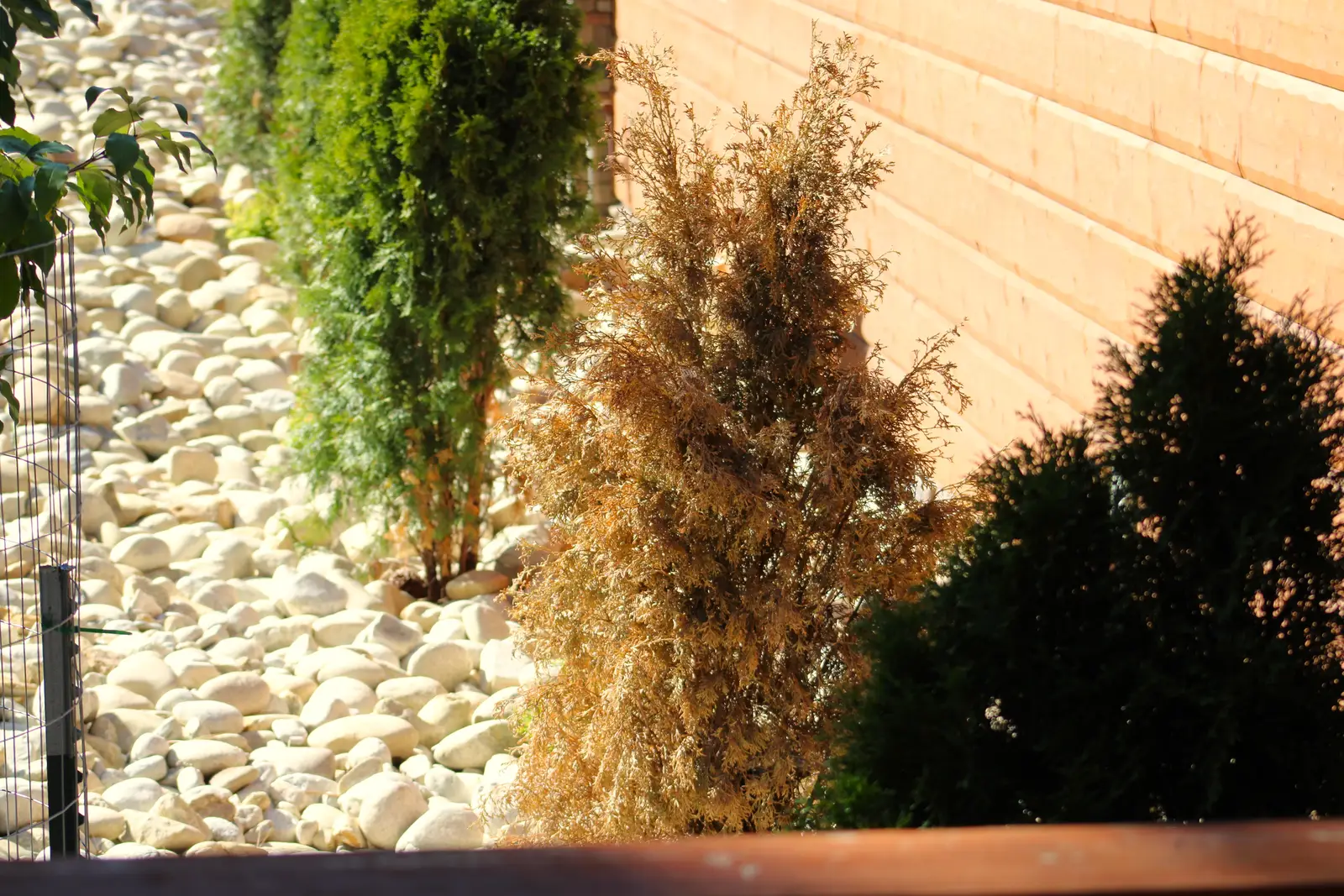
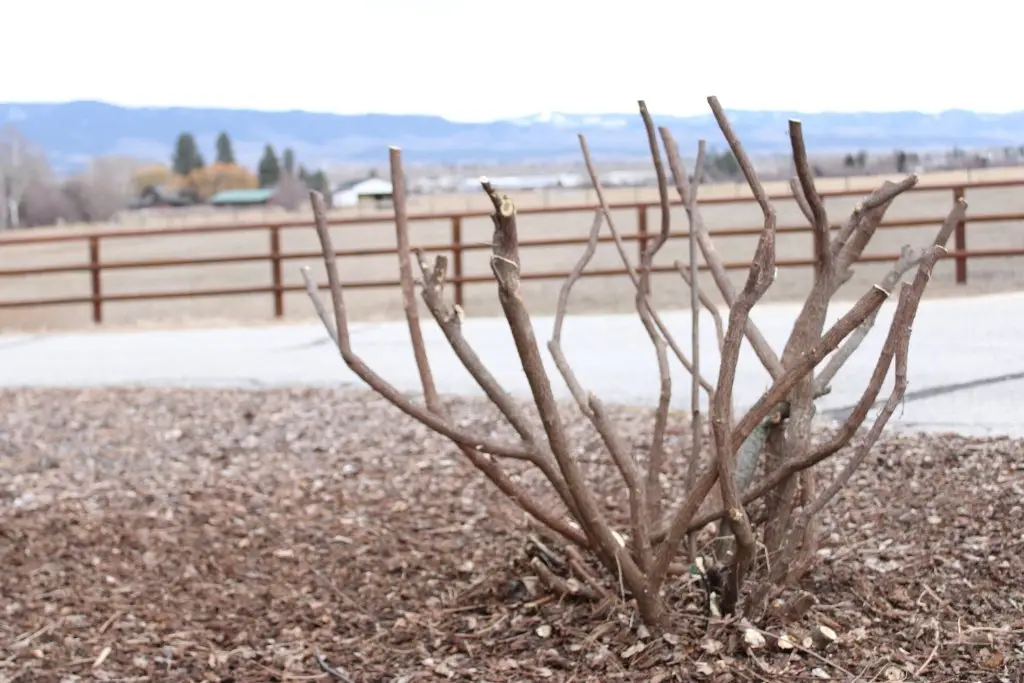
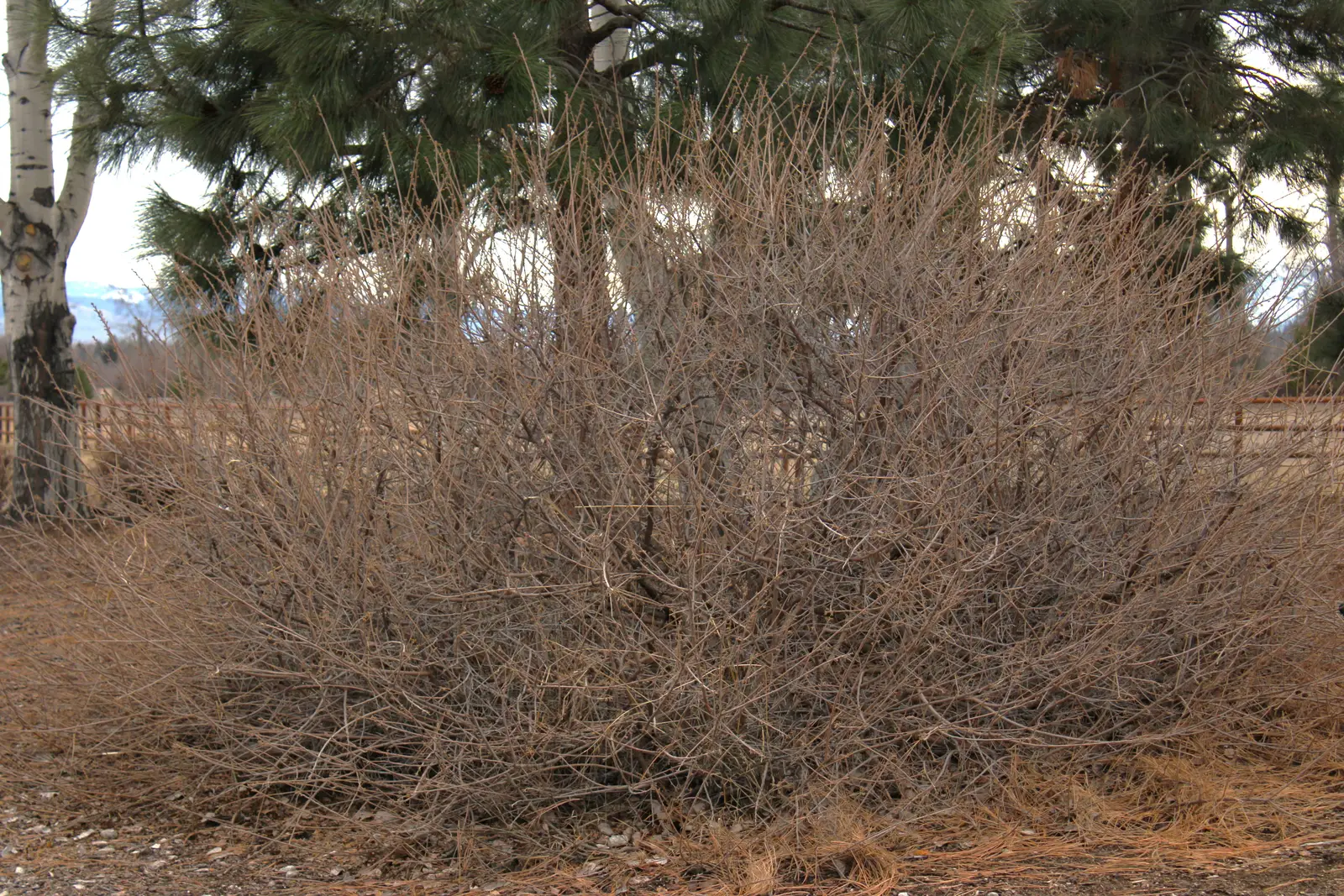
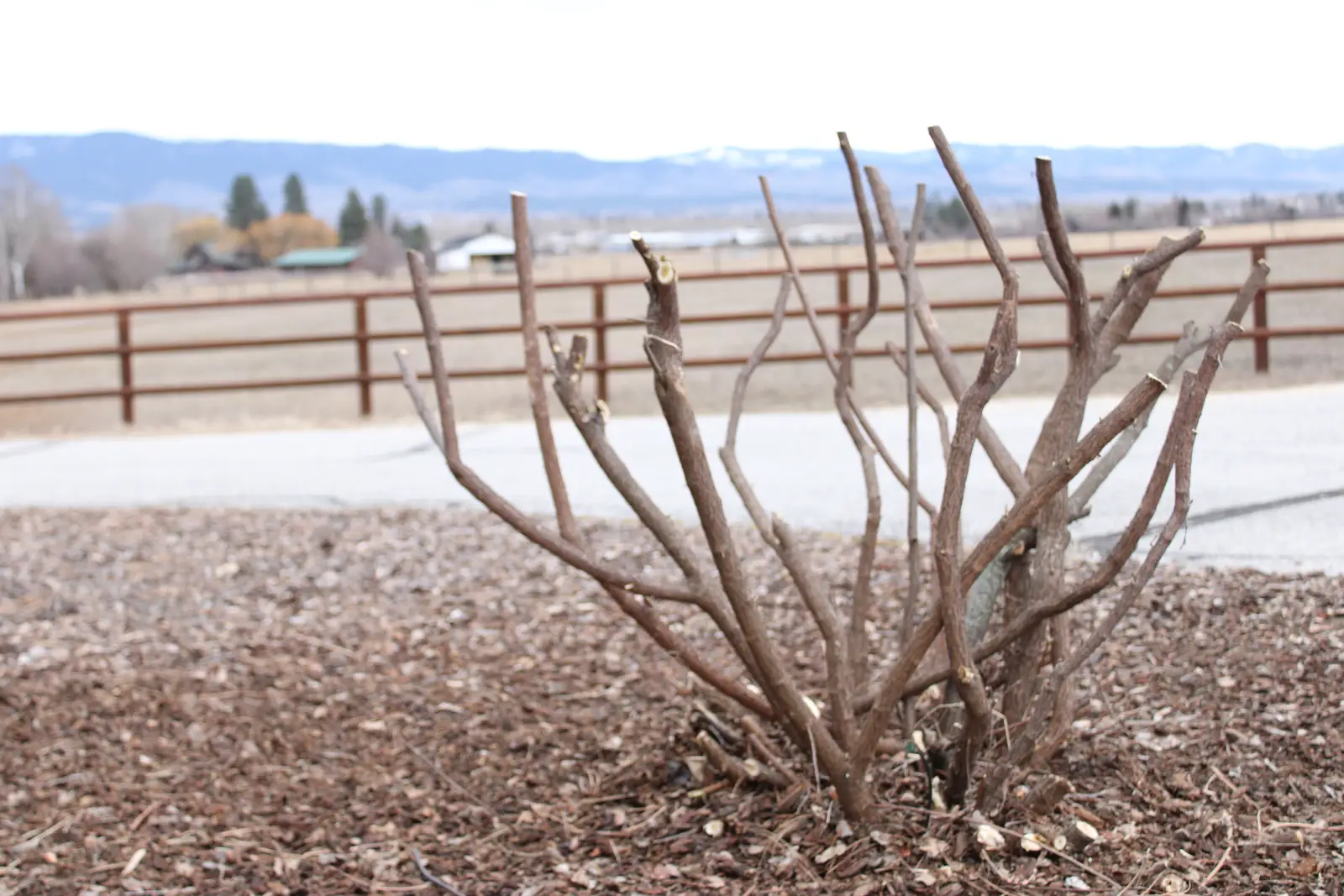
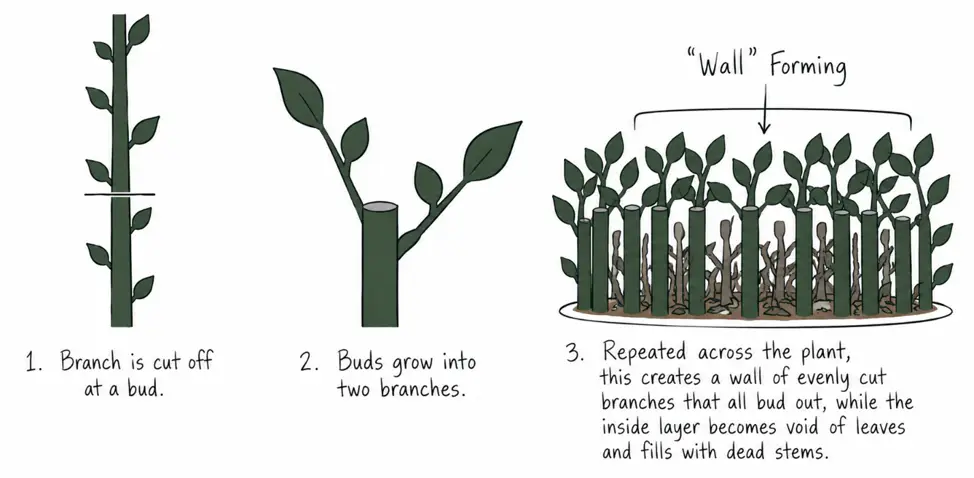
This plan fails to address the problems that come in the form of plant biology. Figure 1 below shows how, after a branch is cut off, it splits in two at the nearest bud. When a shrub is evenly cut, this split happens across the plant, and the count of branches on the outer layer doubles in one season. Compounded over the next three years, this even cut each year creates a wall of branches that blocks sunlight from reaching the center of the plant, or any other buds that are on the outermost layer of the plant. In a matter of just a few years, the wall fills with dying branches and failed buds. The landscape becomes patchy and looks to be mismanaged. As this pattern continues, the plant continues to get increasingly choked by the wall and slowly dies away. However, plants are built to last and, with the right management practices, can be revived completely by dormant pruning.
When is Dormant Pruning Done
Dormant pruning is performed when all of a plant's nutrients have escaped the cold by going into the roots for the winter and before warmer temperatures introduce themselves in the spring.
The 3 Benefits of Dormant Pruning Your Commercial or Residential Property
When things quiet down for the long winter months here in Montana, the status quo of outdoor services is simply keeping your property plowed of snow and safe from ice. However, you can add value to your landscape during these months. Here is how:
1. Boosts Health of Shrubs, Trees, Etc.
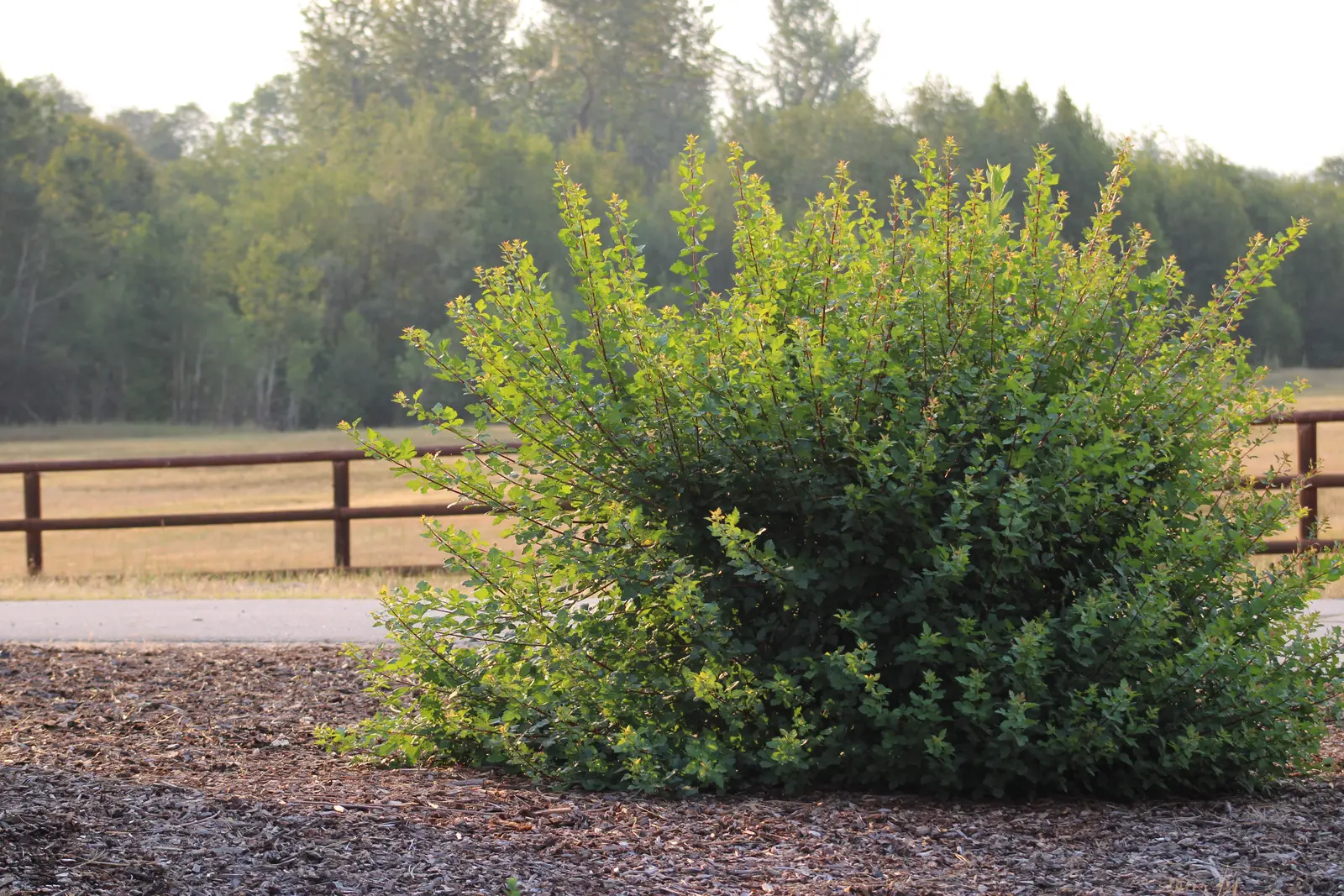
By removing all unwanted dead or diseased material, the true and living plant is able to thrive when it comes time to grow back in the spring. After the "wall" of material has been removed, the plant is allowed again to begin forming buds throughout the whole plant, therefore showing a full and bustling look, rather than a tired and patchy one. When the stored nutrients come back after the spring warms enough, the plant experiences a large growing period where the extra nutrients (from supporting the removed material) are put into building mode, where it will build a beautiful, round, and full structure to be admired.
2. Reduces Disease Risk on Your Landscape
Diseases like Powdery Mildew, Rust diseases, and many kinds of Blight disease pathogens (all common to Montana) are wind-borne. Others spread through rain splash and soil contamination; however, all three risks drop considerably in winter because the harsh cold creates a less favorable environment. As a result, disease risk drops significantly during winter months.
3. Dormant Pruning Saves Money
By the nature of dormant pruning, it keeps plants healthy and well-managed for size and safety. What happens when the expensive plants on your landscape die? They have to be replaced, which is yet again expensive. Dormant pruning optimizes a plant's life so a facility manager does not have to worry about an unpredictable install cost, but rather they can focus their attention somewhere else because they know the plants are safe and well managed due to dormant pruning.
How Do I Know if I Need Dormant Pruning?
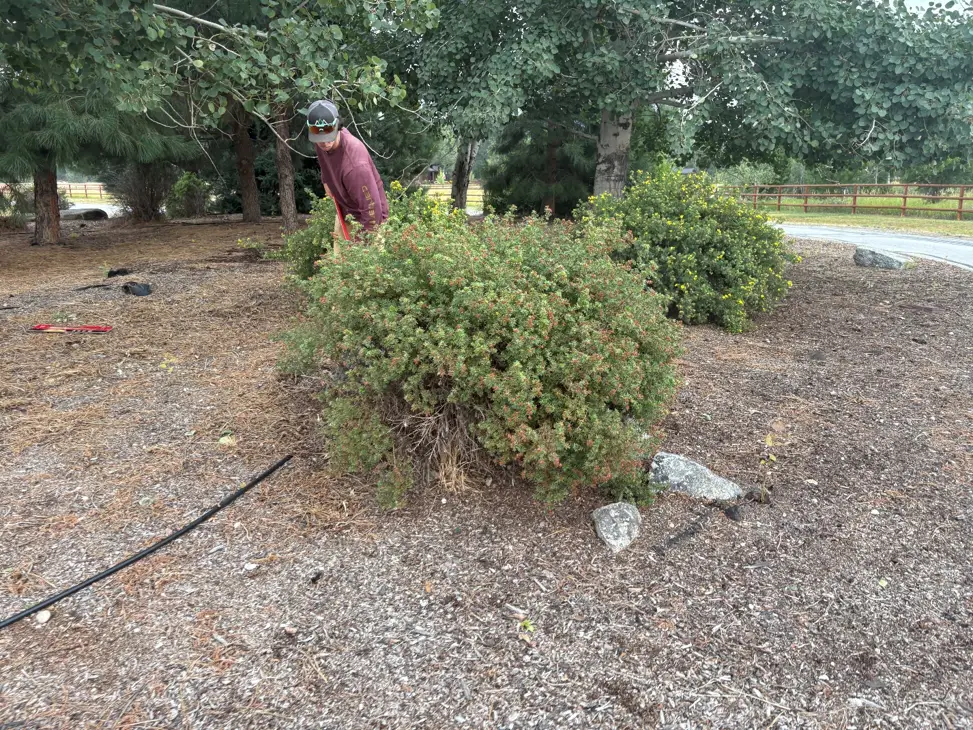
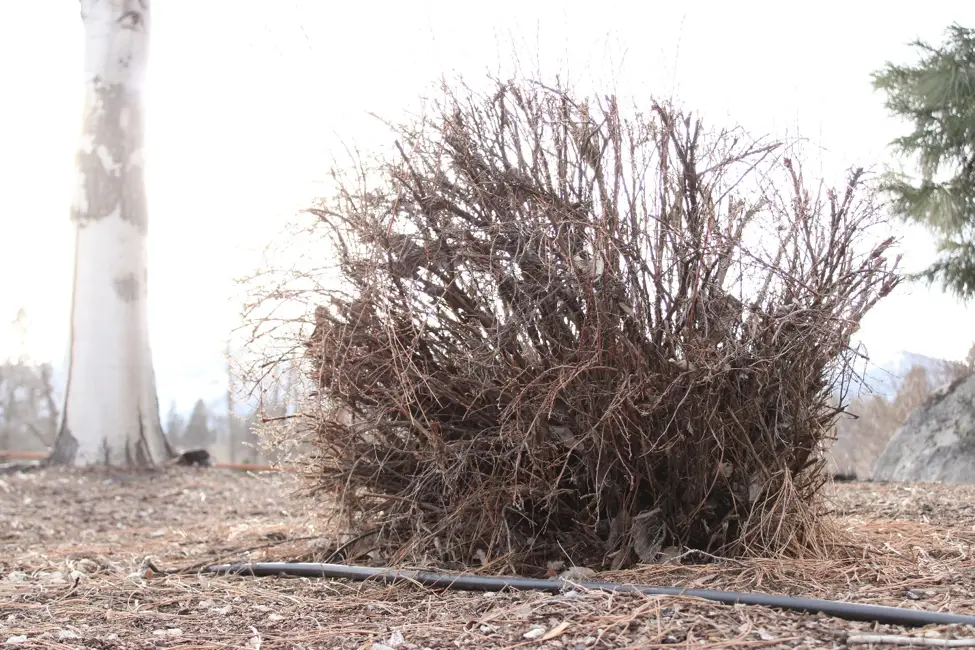
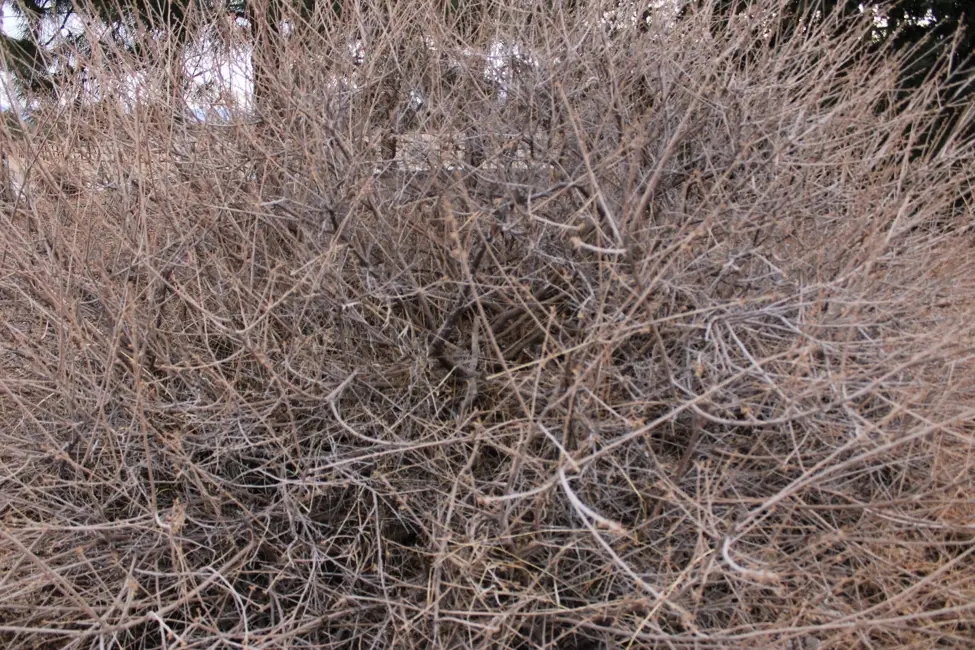
To accomplish the above-listed benefits, dormant pruning should be done every year. However, some only want to do dormant pruning when absolutely necessary (understandable!). Here are some signs to look out for:
Learn more by calling us at (406) 546-7669 or by requesting a quote today.